
Culture
the initiative •
Our Biennale of Dissent. An exercise in remembrance to ensure we do not become accustomed to Putinism
In today’s newspaper you will also find the Navalny poster. We invite readers not simply to keep the poster but, if they wish, to take it to Venice and leave it in front of the Russian Pavilion. As a peaceful gesture of remembrance. Not against Russian culture, but against the erasure of Putinism
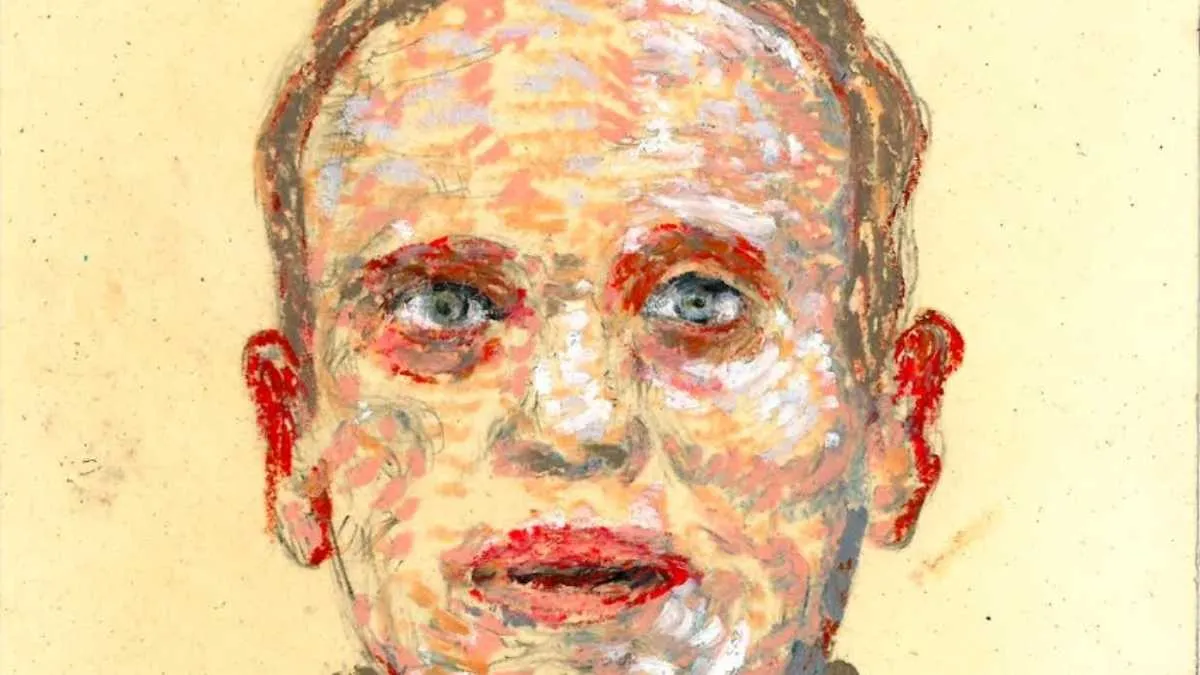
Today, "Il Foglio" is distributing a poster featuring Alexei Navalny’s face with its newspaper. The idea is simple: to turn the opening day of the Biennale into a mini-Biennale of dissent. Not a provocation, not a ritual protest, but an exercise in remembrance at a time when the greatest risk, in the face of Putinism, is becoming desensitised.
Today, 9 May, whilst in Moscow Vladimir Putin is celebrating the Soviet victory over Nazism, once again using it as a propaganda tool to justify the invasion of Ukraine, in Kyiv the same day is celebrated as Europe Day. Two opposing ways of using memory: on the one hand, memory transformed into a justification for imperialism; on the other, memory used to defend freedom and open societies.
The significance of Navalny’s poster also fits within this context. The Biennale was established to foster dialogue between cultures, and rightly so. But there are times when dialogue risks becoming a propaganda monologue, particularly when an authoritarian regime uses art and culture as tools for international legitimisation. And so, alongside the official Biennale, "Il Foglio" has decided to symbolically promote a Biennale of dissent.
That is why today we invite readers not simply to keep the poster but, if they wish, to take it to Venice and leave it in front of the Russian Pavilion. As a peaceful gesture of remembrance. Not against Russian culture, but against the erasure of Putinism. Navalny remains the strongest symbol of the Russia that Putin fears: a free, dissident Russia, capable of opposing power without becoming propaganda. Remembering him today means remembering that, even in contemporary wars, memory is a battlefield. And that dissent can, at times, become a collective endeavour.