
World
editorial •
The UK ban on social media for teenagers is not just a mistake: it is counterproductive
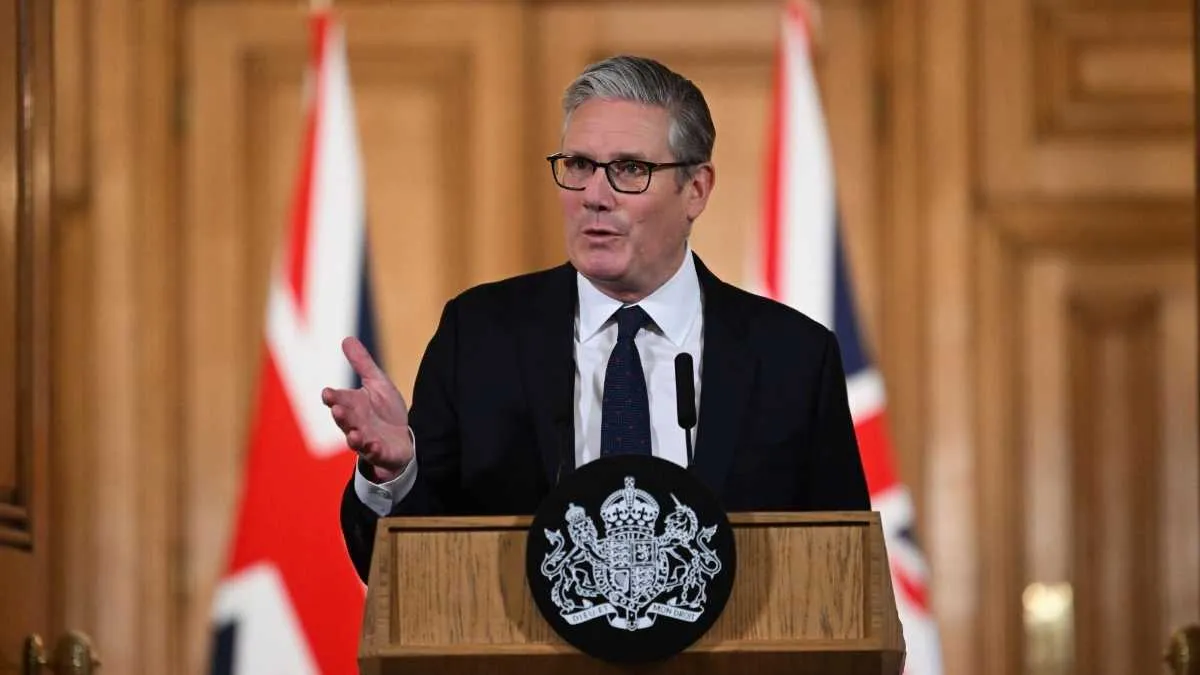
Keir Starmer announces new rules to tackle online risks for under-16s. But turning an educational issue into a ban risks having the opposite effect: more children going underground, families being relieved of responsibility, and Big Tech feeling less obliged to make their platforms safe
ANSA
Keir Starmer’s idea of banning social media for under-16s stems from a genuine concern but risks becoming utter nonsense. The concern is well known: teenagers glued to their screens, parents reduced to Wi-Fi traffic wardens, algorithms that know our children better than many adults do. The Spectator captures the domestic battle well: apps deleted and reinstalled, alternative browsers, mobile data, DNS, iPads popping out of pockets like rabbits from a hat. Anyone with children knows this: take away one phone and another appears, just like in cartoons. But precisely because the problem is serious, it deserves better than prohibitionism with a progressive twist. Saying ‘let’s ban social media for under-16s’ sounds splendid: it goes down well at press conferences, reassures parents, and makes the government seem finally grown-up. But then reality sets in – that party-pooper. Who checks their age? With a digital ID? With facial recognition? With other data handed over to the very same platforms we claim we can’t control? And what exactly counts as a social media platform? TikTok yes, WhatsApp no? YouTube yes, Minecraft depends, Discord maybe, web browsers – who knows?
Then there is the political – and even anthropological – aspect. The state cannot become the permanent substitute for parents. It can help, it can regulate, it can punish Big Tech when it monetises addiction, bullying, pornography, self-harm, hate and toxic algorithms. Indeed, it must do so. But when the government tells families ‘don’t worry, we’ll take care of it’, it does not empower them: it infantilises them. The risk, in this case, is twofold: on the one hand, the ban will be circumvented; on the other, it will drive many teenagers towards more obscure channels, less secure apps, fake accounts and friends’ phones (and will bring teenagers online without their parents’ knowledge). Making something clandestine that should be guided is not digital education: it is bureaucracy disguised as pedagogy. Not to mention the fact that the ban absolves Big Tech of responsibility: instead of forcing them to make their products safe, it allows them to claim that minors shouldn’t be there in the first place. An ethical state? Better to ban it, thank you.